Nobody Sits on the Porch Anymore, So I Brought the Stories Indoors
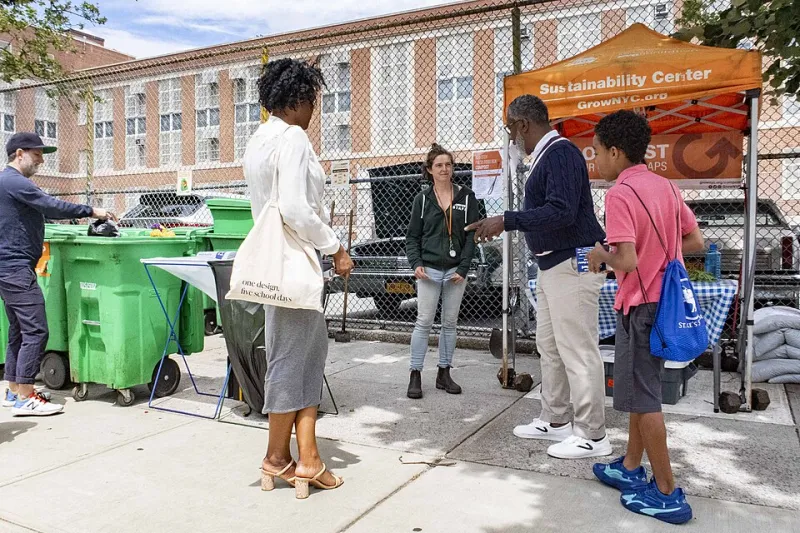
Photo: CDN Comms, CC BY-SA 4.0, via Wikimedia Commons
My grandmother's porch in Dayton had three rules, none of them written down: you sat until the mosquitoes won, you didn't correct anyone's exaggerations, and everybody got a turn. Neighbors drifted over after dinner with folding chairs and frozen pies, and by dark, somebody had told a story that got retold for the next thirty years.
We don't really do this anymore. And I think we miss it more than we realize.
What the Group Chat Can't Do
Look, I love a group chat. But there's a difference between reading a story and receiving one. On a porch, a story has a body attached to it — pauses, a raised eyebrow, the sound of everyone laughing at the same moment. Researchers who study oral tradition call this co-presence, but my grandmother called it being somewhere together, and she had a point.
Digital talk is fast and broad and shallow. Porch talk is slow and narrow and impossibly deep. One of these formats builds a neighborhood. The other builds a notification history.
The Story Circle Is Quietly Coming Back
Here's the good news: people across the country are rebuilding the ritual, sometimes without even calling it that.
In parts of rural Iowa, community listening projects have been gathering residents in church basements and grange halls to record each other's memories — harvest stories, dust bowl recollections, the kind of local history that never makes it into a textbook. In Philadelphia, neighborhood groups have revived summer porch concert-and-story nights, where blocks close to traffic and open mic rules apply: short stories, true-ish encouraged, no interrupting.
Public libraries have become unexpected hosts, too. Story circles modeled on oral-history programs now run in towns from Vermont to Oregon, where a librarian, a pot of coffee, and a prompt like "tell us about your first job" produce three hours of material nobody thought to write down.
The pattern is consistent: people don't need entertainment. They need a chair, a prompt, and permission.
How to Start One on Your Block
You don't need a grant or a nonprofit. You need a porch, a driveway, or a living room and a little nerve. What's worked for the circles I've visited:
- Pick a prompt, not a topic. "The worst haircut of your life" beats "childhood memories" every time. Specificity unlocks stories.
- Cap the stories, not the conversation. Five minutes per person keeps the shy folks brave and the loud folks merciful.
- Ban corrections. Half of family folklore is exaggeration, and that's the good half.
- Invite the neighbor you don't know. The whole point is widening the circle. The newest person usually has the best story.
- Serve something. It doesn't matter what. My grandmother would say the pie is doing half the emotional labor.
Faces, Not Avatars
Chehrak exists because we think faces and voices and stories linger — but only if they're given somewhere to land. A story circle is just a landing pad with folding chairs.
The porch may never come back in its 1962 form, and that's fine. The form was never the point. The point was seven voices, one evening, and the slow accumulation of shared story that turns a street of houses into a neighborhood.
Somebody on your block has a story that's been waiting thirty years for a folding chair. Go find them.