Coins, Cord, and Confession: The Night I Found a Working Pay Phone in New Mexico
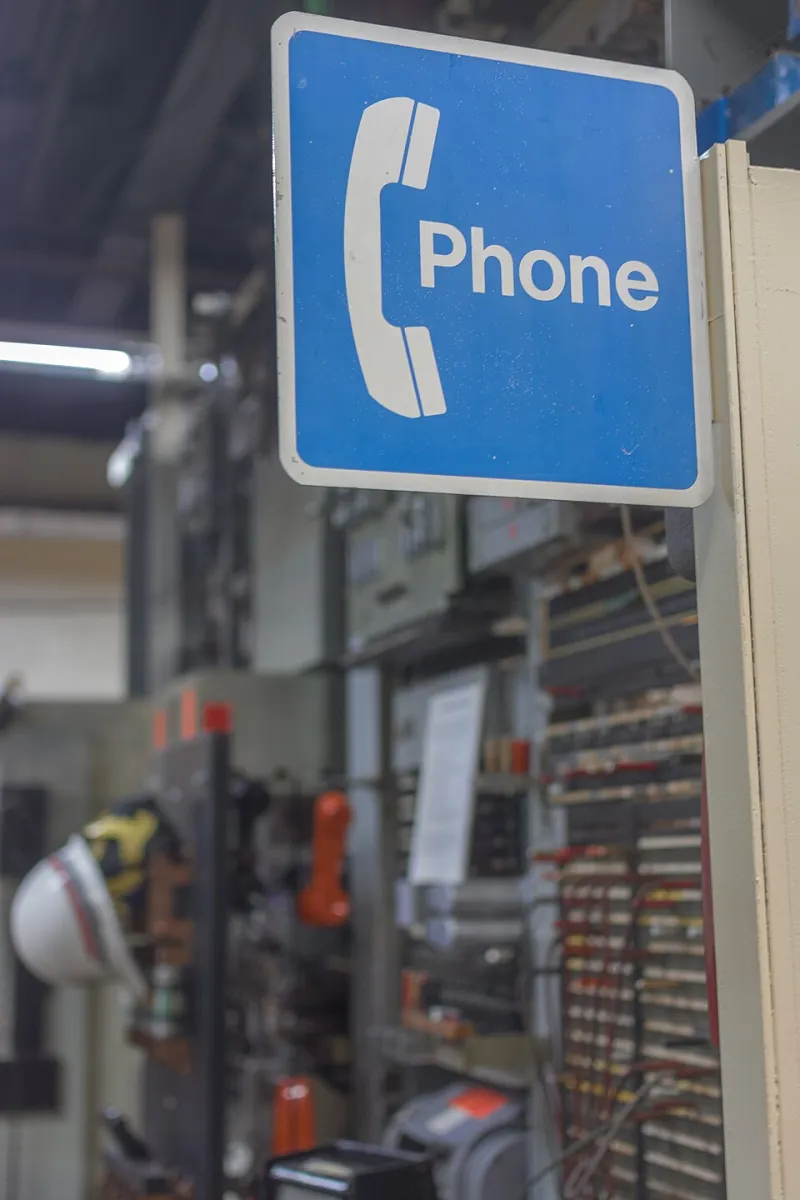
Photo: Ethan Long, CC BY-SA 2.0, via Wikimedia Commons
The Machine at the Edge of the Map
The phone hangs on the wall of the Chala Trading Post, about forty minutes south of Santa Fe, and if the owner is to be believed, it's the last working pay phone in the county. It's a beige slab of plastic with a cord that coils like it's tired of waiting. A laminated sign taped to the coin slot reads: NO CREDIT CARDS. NO EXCEPTIONS. NO APOLOGIES.
I found it the way you find most things worth writing about — by accident, then on purpose. A friend mentioned it in passing, the way you'd mention a ghost. "There's still one out there," she said. "People drive out to use it."
People drive out to use it. I repeated that sentence to myself for a week before I got in the car.
Why I Drove Four Hours to Spend Fifty Cents
Here's what I didn't tell anyone, not even my friend: I didn't go for the phone. I went for the call.
There's a specific kind of apology that's too heavy for text and too rehearsed for voicemail, and mine had been sitting in my chest for eleven years. I'd drafted it a hundred times — in Notes apps, on napkins, in the shower where all the best words dissolve. What I'd never done was say it out loud to an actual ear.
The pay phone solved a problem I didn't know I had. My cell phone, with its contact list and its call history and its little green button I could hang up with in a panic, felt too easy to flee. The pay phone offered something almost extinct: commitment. You feed it quarters. You stand there. Your voice bounces off a linoleum floor while a man buys jerky three feet away. There is no privacy in a pay phone call, and that's exactly the point. You can't ghost a wall.
A Short Oral History of Standing in Public With Your Heart Out
The trading post owner, a retired lineman named Rudy who wears a bolo tie with a turquoise stone the size of a walnut, told me the machine used to earn its keep. "Long-distance used to cost a fortune," he said, ringing up a tourist's tamarind candy. "Folks would call collect and the person on the other end would refuse the charges — that was the code. Refuse the call, but the message got through: I'm alive, I made it, I'm thinking of you."
I'd forgotten that language. The coded knock of a collect call refused on purpose. The three-word scripts of the eighties and nineties — call me back, it's a girl, come home soon — spoken at full volume in bus depots and hospital corridors because the machines didn't whisper.
Rudy says the phone gets maybe four calls a week now. A trucker checking in with his mother. A woman whose cell died in the arroyo and who didn't have roadside assistance but did have two quarters in her cupholder. A teenager, once, who wanted to know what it felt like. "What'd you tell him?" I asked. Rudy shrugged. "Told him it feels like the truth, 'cause you can't edit it."
The Call I Finally Made
I want to tell you the conversation was cinematic. It wasn't. It was awkward and halting, and at one point the line clicked and I panicked and fed the machine two more quarters in a rush, like feeding a horse an apple so it doesn't bolt.
But I said the thing. Out loud. In a room where another human being could hear me say it. And when my brother — because of course it was my brother, it's always the person closest to you — went quiet on the other end, there was no little red X to tap, no message to unsent. The silence just existed, the way silences used to, and then he laughed, and then we talked for twenty minutes about nothing until the quarters ran out.
What We Gave Up When We Pocketed Our Voices
Every era of communication trades something. We traded letters for speed, then speed for control. The cell phone gave us the power to edit ourselves endlessly — to draft, delete, reconsider, and finally say nothing at all. The pay phone demanded the opposite: a coin, a breath, and whatever came out.
There's a reason our most vulnerable cultural moments used to happen at those machines. The midnight call from the bus station. The call from the hospital hallway. The call where you finally said I love you or I'm sorry or I'm not coming back. We made them standing up, in public, coins clinking, because the machine didn't care about your timing or your tone. It just connected you and let the truth carry down the hallway.
I don't think we need to bring pay phones back. But I think we could stand to borrow their terms: full presence, no editing, an audience of strangers who overhear your humanity and buy their jerky anyway.
The machine in Chala is still there. Rudy says the phone company keeps sending letters about decommissioning it, and he keeps not responding. "Somebody's gotta hold the line," he told me, and I don't think he meant it as a joke, and I don't think it was one.
I still have the quarter I didn't need. It's in my glove compartment, next to the registration. Some things you keep as proof.