I Knew You by Your Walk: A Month Without Faces on My Own Street
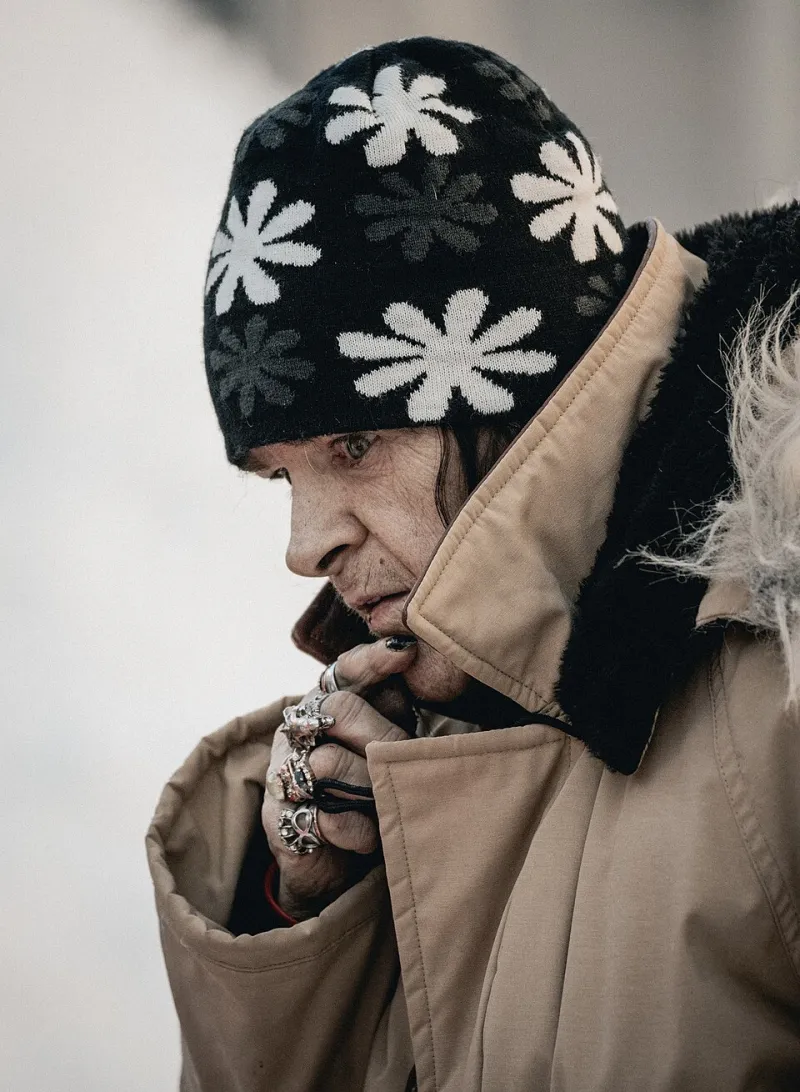
Photo: Wilfredor, CC0, via Wikimedia Commons
It started at the corner store, the one on the way to the L stop, where the man behind the register has rung me up maybe four hundred times. He said something. I looked up and felt my brain hand me a blank. Not fog, not a senior moment — a genuine nothing, like a file that wouldn't open. I smiled the way you smile to cover for a person whose name you've lost, except this time I'd lost the whole face.
The doctor later used a careful phrase — prosopagnosia, or something adjacent to it — the result of a migraine cluster that scrambled the part of me that assembles people out of eyebrows and nose bridges. Temporary, probably. A month, maybe more. In the meantime, the entire cast of my life would be performing in masks I couldn't see through.
The Neighborhood, Unplugged
Here's what nobody tells you: you don't actually know your neighbors. You know their faces, and you've been letting faces do all the work.
For the first week I was rattled. The dog park became an exercise in deduction — was that Dana with the beagle, or a stranger holding a beagle? But somewhere around day ten, something shifted. Stripped of the shortcut, I started noticing the substitute signals people send constantly, the ones we all register and immediately discard.
Dana, it turns out, walks like she's apologizing to the sidewalk. The retired teacher on the third floor hums show tunes when he's in a good mood and says "yep" twice when he's not. The dad from the PTA — I'd have sworn I couldn't pick him out of a lineup — has a laugh that arrives a half-second before his sentences do, like the laugh is scouting ahead.
Voice, Gait, and a Grande Oat Milk
Without faces, I built a whole new filing system. The barista at the café near my apartment started calling out my order before I reached the counter, and honestly, being recognized by "oat milk, no sugar" was weirdly moving. That's not a face. That's a habit. That's a month of Tuesdays.
I learned that Mrs. Okafor from 4B says hello from behind her door before she's even opened it, so I was never lost with her. I learned that the crossing guard on Maple whistles the same four notes, over and over, like a tiny anthem for the block. I learned my own husband's footsteps in the stairwell from two flights down — the slight drag on his left heel after his long shifts — and I nearly cried at the sound of it, which is not something I ever expected from a staircase.
What a Face Was Doing for Me Anyway
A face is efficient. It's a summary. But a summary is not a person, and I'd been confusing the two for years. I'd wave at the summary. I'd ask the summary about the weather.
The strange month ended the way it began — gradually, one morning at the corner store, when the man behind the register suddenly assembled again, eyebrows and all, like a photo developing. I almost said something. I didn't. But I stayed an extra minute, and I asked about his daughter's soccer season, which I only knew to ask about because, face-blind, I'd actually had to talk to him in October.
The Part I'm Keeping
My facial recognition came back, more or less. But the other senses of my neighborhood didn't leave. I still know people by their walks. I still listen for the four-note whistle.
If community is partly pattern recognition, I used to think the pattern was the face. Now I think the face was just the cover of the book. The real pattern is slower — it's how someone says your name, how they take their coffee, the sound of their key in the lock. We could all stand to lose the shortcut now and then. The long way around, it turns out, is where the people are.