Home Used to Sound Like Me: The Accent I Sanded Off in Second Grade
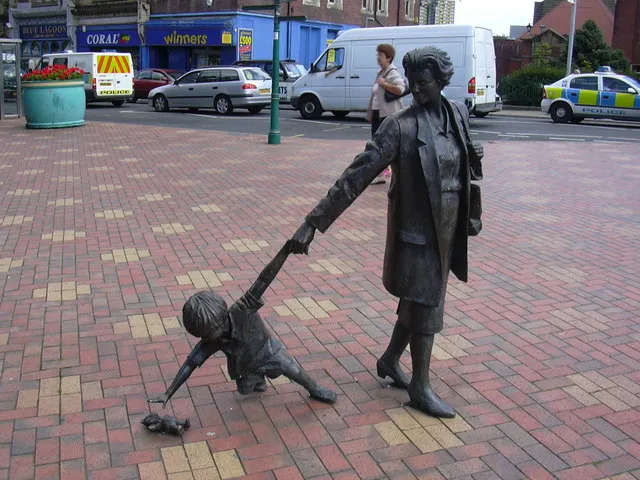
Photo: robert wade, CC BY-SA 2.0, via Wikimedia Commons
My grandmother used to say I had a voice like rain on a tin roof. She meant it as a compliment. In her West Virginia hollow, rain on tin meant you were home, safe, listening to something familiar fall on something familiar.
Then we moved to Columbus, and by October of second grade, the rain had stopped.
The Speed Run to Sounding Normal
Nobody sat me down and told me to lose my accent. That's the part I want people to understand. There was no rule, no teacher with a red pen correcting my vowels. What there was, instead, was a girl named Brooke who said "y'all" once on the bus and got three days of it repeated back to her in a exaggerated drawl until she cried.
I did the math quickly, the way kids do. I flattened my i's. I started saying "you guys." By spring, my mother mentioned, almost sadly, that I "talked like a Yankee now," and I felt — this is the shameful part — proud. I had passed some invisible test. I sounded like the hallway, the cafeteria, the cartoons. I sounded like nobody in particular, which in second grade is the safest thing to sound like.
What She Hears Now
My grandmother died three years ago, but before that, every phone call came with the same ritual. She'd let me finish a sentence, then she'd say, soft and almost apologetic, "You don't sound like my baby anymore."
For years I heard that as criticism. Now I think it was closer to homesickness. Her face was changing — age was doing what age does — but my voice was the one part of me she could carry with her between visits. And I had quietly remodeled it without asking her.
A voice is a strange archive. Faces get photographed, but nobody takes pictures of the way you said "tomato" at seven. When the accent goes, there's no record of it except in the ears of the people who loved you first. They become the last living evidence of a sound that no longer exists.
The People Who Went Back
After the funeral, I started asking around, and I learned my story wasn't rare. My coworker DeShawn, raised in Boston by a mother from Mississippi, told me he spent his twenties "talking like an anchor." Then his daughter was born and he caught himself unable to pronounce his own grandmother's name the way she pronounced it. He's been practicing his vowels in the car ever since. "It's not about sounding Southern," he said. "It's about my kid hearing where she comes from."
Then there was Marisol, second-generation in Chicago, who deliberately dropped her parents' inflections in kindergarten and picked them back up at twenty-six, after a breakup, on a whim, at a family wedding. "I sang along with the banda and my cousin said I sounded like I used to," she told me. "I cried in the bathroom. Happy crying. It was like finding a room in my own house I didn't know existed."
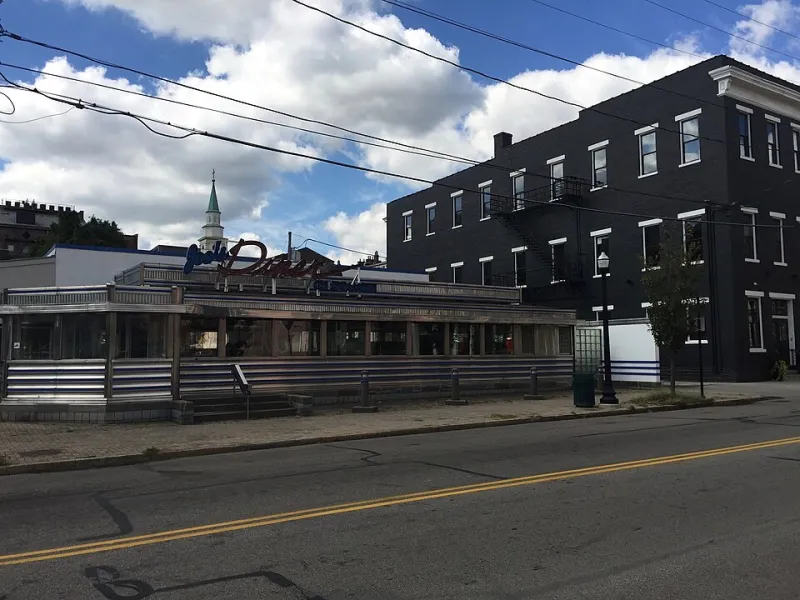
And a man named Gary I met at a diner outside Pittsburgh — don't ask me how these conversations start, they just do — told me he trained his Pittsburghese out at a job in Dallas and now can't get it back, even though his whole street talks that way. "They tease me," he said, laughing. "But they don't know it stings a little. You're from somewhere and your mouth won't admit it."
Faces Fade. Voices Persist.
Here at Chehrak, we spend a lot of time thinking about faces — what they hold, what they give away, what strangers see in them. But I've come to believe the speaking voice is the more stubborn carrier of memory. You can inherit a nose without meeting the people behind it. You cannot inherit a vowel without hearing it, over and over, from someone who loved you. An accent is a face made of sound. It's the family portrait your ears take.
When I lost mine, I didn't lose words. I lost the music the words came wrapped in — the way my mother said my name with a lift at the end, the way my grandmother's "well now" could hold an entire lecture or an entire blessing.
Practicing in the Car
I won't pretend I've reclaimed it. Twenty-five years of muscle memory doesn't fold overnight. But lately, on long drives, I put on old recordings my uncle made at a family reunion — everyone talking over everyone, screen door slamming, somebody's hound dog in the background — and I let my mouth wander back toward sounds it abandoned.
Sometimes I get one right. A dropped g, a stretched vowel, and for a second the tin roof rains again.
My grandmother isn't around to hear it. But I've decided that's not the point. The point is that somewhere in my throat, there's a version of me that a woman in West Virginia recognized on sight — er, on sound — and I'd like to keep her reachable. For my own kids, someday. For the relatives who still flinch, gently, when I answer the phone sounding like nobody in particular.
Home used to sound like me. I'm doing the slow, unembarrassed work of sounding like home again.